

When travelers dream of Morocco, one image consistently comes to mind: trekking across golden dunes on the back of a majestic dromedary. While many assume this iconic experience requires a grueling multi-day journey into the deep Sahara Desert—such as Merzouga or Zagora—the reality is much more accessible. You can experience the magic of Agadir camel rides just minutes away from your luxury beachfront resort.
Agadir, the sun-soaked capital of the Souss-Massa region, offers a unique blend of coastal beauty and desert-like landscapes. Whether you are traveling as a family, seeking a romantic sunset adventure, or stopping over on a cruise, camel trekking in Agadir provides an unforgettable taste of traditional Moroccan nomadic life without the logistical headaches of a long-haul desert safari.
In this comprehensive 2026 guide, we will cover everything you need to know to plan the perfect excursion. From choosing the best time of day and understanding the scenic routes, to practical tips on what to wear and how to book with reliable local experts, this is your ultimate resource for experiencing the best camel ride in Agadir.
Why Choose Agadir for a Camel Trek?
If you are planning an itinerary for Morocco, you might be debating where to schedule your camel ride. While the towering, 150-meter dunes of Erg Chebbi in the Sahara are legendary, getting there from the coast requires a massive investment of time—often taking two full days of driving each way.
Agadir provides a brilliant alternative that respects both your time and your travel budget. Here is why camel trekking in Agadir is highly recommended:
- Unbeatable Accessibility: The ranches where the camels are kept are located just 10 to 15 minutes south of the main tourist zone. You can easily fit a two-hour ride into a morning or afternoon, leaving the rest of your day free for the beach or the souk.
- Diverse Landscapes: Unlike the deep desert, the trails around Agadir are incredibly varied. In a single two-hour trek, you will transition from sandy dune ecosystems to lush eucalyptus forests, eventually arriving at a vibrant river estuary.
- A Mild, Favorable Climate: The Sahara can reach scorching, dangerous temperatures in the summer months. Agadir benefits from the cooling breezes of the Atlantic Ocean. With more than 300 days of sunshine a year and a temperate coastal climate, you can comfortably enjoy a camel ride here in July just as easily as you can in December.
Sunset camel treks are a popular choice in Agadir.
Spotting flamingos at the Souss River estuary.
Top Routes: Exploring the Souss-Massa Environments
The magic of Morocco camel tours in this region lies in the shifting scenery. The trails are carefully curated to showcase the natural biodiversity of the Agadir outskirts. Most guided tours follow a similar, well-trodden circuit through three distinct zones.
The Sand Dunes of Bensergao
Your journey typically begins just outside the village of Bensergao. While these dunes do not reach the towering heights of the Sahara, they provide that classic, rolling sandy terrain that makes for incredible photographs. The golden sand contrasts beautifully against the bright blue Moroccan sky, offering a true desert feel right on the edge of the city.
The Fragrant Eucalyptus Forests
As you move away from the dunes, the trail winds into dense groves of eucalyptus trees. This forest is a vital green lung for the city and provides wonderful, dappled shade—a welcome relief if you are riding during the midday heat. The scent of the eucalyptus leaves is deeply refreshing, and the trees are home to various local bird species.
The Souss River Estuary
The highlight of the trek is reaching the mouth of the Souss River, where fresh water meets the Atlantic Ocean. This area is a protected national park and a crucial stopover point for migratory birds. Depending on the season, riders are frequently treated to the sight of wild pink flamingos wading in the shallows, alongside herons and ibises. Riding a camel while bird-watching is a uniquely Agadir experience.
What to Expect: A Step-by-Step Breakdown
If you have never ridden a dromedary (the one-humped camel native to North Africa), it is quite different from horseback riding. Camels are massive, incredibly strong animals with a unique, swaying gait. Here is what a typical excursion looks like from start to finish.
Hotel Pickup and Briefing:
Your tour operator will pick you up directly from your hotel or riad. Upon arriving at the ranch, you will be introduced to your guides and your camel. You will receive a quick safety briefing on how to hold the saddle and what to expect from the animal’s movements.
The Mount and ‘Stand Up’:
This is the most surprising part for beginners! You mount while the camel is sitting. When instructed, the camel stands up back legs first—which pitches you sharply forward—followed by the front legs, pitching you backward. Lean back as the camel rises, and hold on tight to the wooden saddle pommel.
The Trekking Pace:
You do not steer the camel yourself. A local guide leads the camels, which are typically tethered together in a caravan line. The pace is a slow, steady walk. The camel’s gait moves both legs on one side simultaneously, creating a side-to-side rocking motion often referred to as the “ship of the desert.”
The Dismount and Mint Tea:
After roughly two hours of exploring the river and forests, you return to the ranch. The dismount is the reverse of the mount—front legs fold first (lean back!), then back legs. Once on solid ground, you will be invited into a traditional Berber tent to share sweet Moroccan mint tea and locally baked snacks.
Timing Your Agadir camel rides: Morning vs. Sunset
One of the most important decisions you will make when booking is the time of day. While both options offer fantastic experiences, the atmosphere is completely different.
To help you decide which time of day suits your travel style best, use this interactive comparison tool to weigh the variables:
Expert Advice: A sunset camel ride in Agadir is undoubtedly the most requested itinerary. The “golden hour” lighting is spectacular as it reflects off the river and illuminates the dunes. However, because it is so popular, you must book this specific time slot well in advance, particularly in the peak summer and winter holiday seasons.
Combining Excursions: Getting the Most Out of Your Day
Because a camel trek only takes a few hours, many travelers choose to combine it with other local experiences to create a full half-day or evening itinerary.
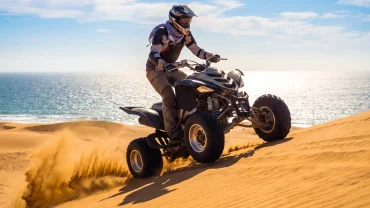
- Camel and Quad Biking Combo: For adrenaline seekers, this is the ultimate contrast. Spend two hours ripping through the dirt trails and dunes on an ATV/Quad bike, followed by a peaceful, traditional two-hour camel ride through the eucalyptus forests.
- Sunset Ride with BBQ Dinner: If you opt for the evening trek, upgrade your package to include a traditional Moroccan BBQ dinner. After your ride, instead of just having tea, you will sit down to a feast of grilled meats, fresh Moroccan salads, tagines, and flatbreads served under the stars at the ranch.
If you are looking to arrange these specialized combo tours seamlessly, we highly recommend working with Agadir Samia Tours. Their team consists of deeply knowledgeable locals who can customize your itinerary, ensuring you get authentic experiences and top-tier hospitality without the hassle of haggling with multiple vendors.
Logistics: Transportation and Booking
Getting to the camel ranches requires transportation. The best tour operators include this in your ticket price, but if you are traveling with a large group, carrying special equipment, or just prefer private logistics, you have excellent options.
Hotel and Airport Transfers
If you want to ensure your entire trip runs flawlessly from the moment you land at Agadir Al Massira Airport, book your transportation through Taxi Agadir Transfert. They provide reliable, air-conditioned, and professionally chauffeured vehicles. Using a dedicated transfer service guarantees you will not be late for your sunset excursion due to unreliable local taxis.
Solutions for Cruise Passengers
Agadir is a major port of call on Atlantic and Mediterranean cruise routes. If your ship is docking for only a few hours, you cannot risk missing your departure. For cruise passengers, booking dedicated Agadir cruise shore excursions is non-negotiable. These specialized operators track your ship’s itinerary, pick you up directly at the commercial port, take you straight to the camels, and guarantee your return with plenty of time to spare before the ship’s gangway is raised.
Practical Tips and Preparation
To ensure your Agadir desert excursion is comfortable and safe, keep these practical tips in mind before you head to the ranch:
- Dress Appropriately: Always wear long trousers (pants). Camel hair is surprisingly coarse and can cause severe chafing on bare legs, especially as the saddle sways.
- Footwear: Wear closed-toe shoes like sneakers or light hiking boots. You will be walking around sandy, dusty ranches where sandals or flip-flops are impractical.
- Sun Protection: Even if the coastal breeze feels cool, the UV index in Morocco is very high. Apply sunscreen generously, wear polarized sunglasses, and bring a secure hat.
- Animal Welfare: Only book with reputable operators who treat their animals well. A healthy camel will have a plump, upright hump (which stores fat, not water), clear eyes, and no open saddle sores. If the animals look mistreated, do not ride them. Reputable agencies ensure their dromedaries are well-fed, rested, and cared for.
Frequently Asked Questions (FAQs)
How long does the actual camel ride last?
Most standard Agadir camel treks last approximately two hours on the animal, plus an additional 30 to 45 minutes for transportation, safety briefings, and mint tea at the end.
Is there a weight limit for riding a camel?
Yes. For the health and safety of the animal, most ranches enforce a weight limit of roughly 100 to 110 kg (220 to 240 lbs) per person.
Can children participate in a camel ride?
Absolutely! Camel riding is a fantastic family activity. Very young children (usually under 5 or 6 years old, depending on the operator) will ride in the same saddle as an adult. Older children will typically get their own camel, which will be tethered closely to the guide’s lead animal for maximum safety.
Do I need to tip my guide?
Tipping is an integral part of Moroccan culture. If your guide provided a safe, enjoyable experience and helped you take memorable photos, a tip of 50 to 100 Moroccan Dirhams (roughly $5 to $10 USD/EUR) is highly appreciated.
Final Thoughts
An Agadir camel ride is more than just a tourist photo opportunity; it is a bridge to the deep-rooted nomadic heritage of North Africa. The combination of the ocean breeze, the scent of the eucalyptus trees, and the gentle, swaying rhythm of the camel creates a sensory memory that will stay with you long after you have left Morocco.
By planning ahead, choosing the right time of day, and booking with trusted local experts, you are guaranteed an unforgettable, stress-free adventure.
Comment (0)